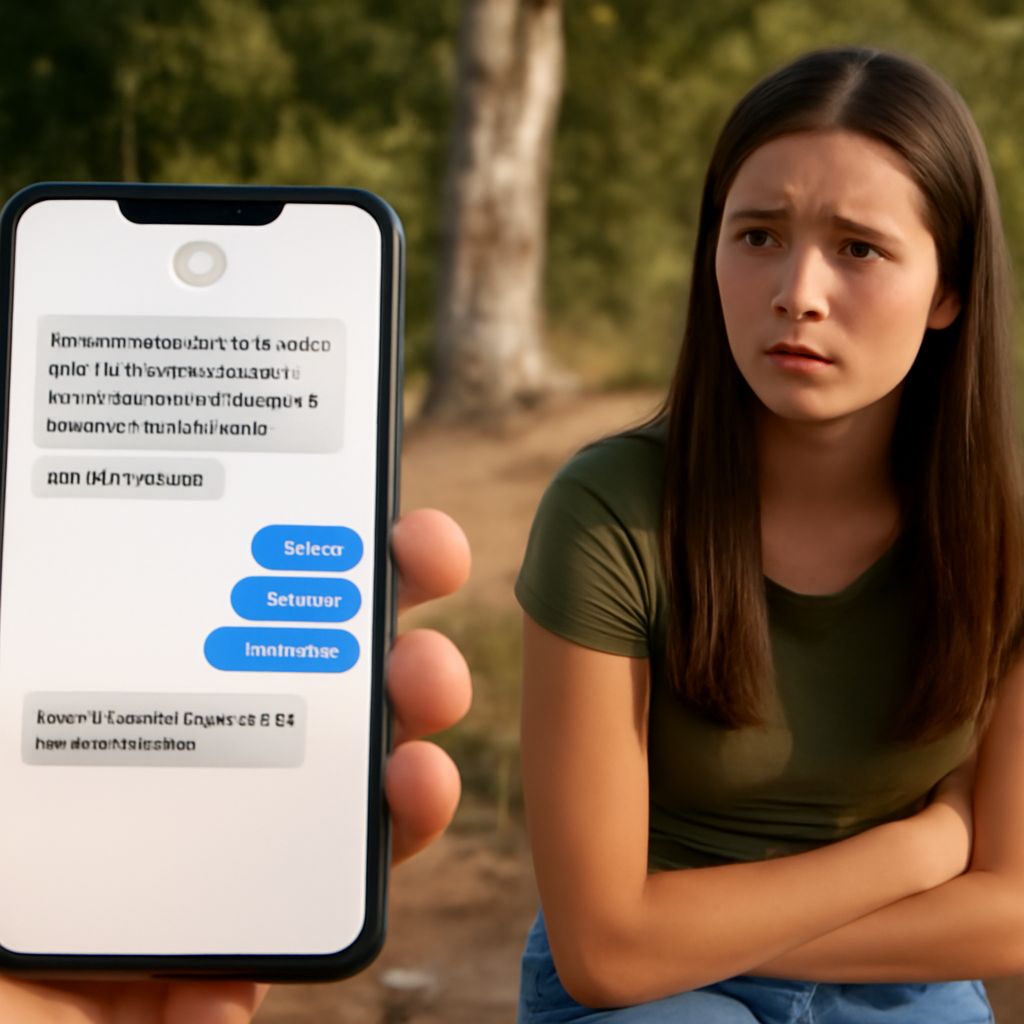
In today’s digital age, crafting believable text messages for various purposes has become easier with the use of a fake message maker. These tools allow you to create simulated conversations that resemble real messages. Whether it’s for a practical joke, a creative writing project, or a marketing campaign, a text message creator can be incredibly useful. Let’s dive into how you can effectively use these tools to craft convincing text messages.
Understanding Fake Message Makers
A fake message maker is a digital tool designed to fabricate text messages that look authentic. These tools typically offer customizable templates that allow you to input names, message content, timestamps, and even profile pictures. Popular platforms like iFake Text Message and Prank Texts are user-friendly and offer a variety of customization options to mimic different messaging apps.
These tools are often web-based or available as mobile apps, making them accessible and convenient. They serve multiple purposes, from creating harmless pranks to generating content for storytelling. However, understanding their features and functionalities is essential to maximize their potential effectively.
Step-by-Step Guide to Creating Fake Messages
Creating a fake message is straightforward with the right tool. First, choose a reliable fake message maker that suits your needs. Once you’ve selected a tool, follow these steps:
- Open the tool: Launch the app or website on your device.
- Select the platform: Choose the messaging platform you want to imitate, such as WhatsApp or iMessage.
- Customize the message: Input the sender’s name, message content, and other details like time and date. Most tools allow you to upload a profile picture for added realism.
- Adjust settings: Customize additional settings like message status (sent, delivered, read) to enhance authenticity.
- Generate the message: Review your inputs and generate the message. You can usually save the conversation as an image or screenshot it directly from the app.
Following these steps will help you create a realistic-looking message that serves your purpose, whether for entertainment or a project.
Best Practices for Realistic Messages
To make your fake messages more convincing, adhere to these best practices:
- Pay attention to details: Ensure that names, dates, and times are consistent with real-life scenarios.
- Use natural language: Craft messages that reflect typical conversation patterns and language used on the chosen platform.
- Include realistic elements: Add emojis, typos, or auto-correct errors to mimic genuine text exchanges.
- Test readability: View your message on different devices to ensure it looks authentic across screens.
These practices will help maintain the illusion of authenticity in your fake messages.
Legal and Ethical Considerations
While using a fake message maker can be entertaining, it’s crucial to remain aware of legal and ethical boundaries. Fabricating messages to deceive, defame, or harm others can lead to serious legal repercussions. Always use these tools responsibly and ethically, keeping in mind the impact your actions may have on others.
It’s advisable to use fake messages transparently, ensuring that all parties involved are aware that the content is fabricated. This approach prevents misunderstandings and maintains trust, especially if you’re using these tools in a professional setting.