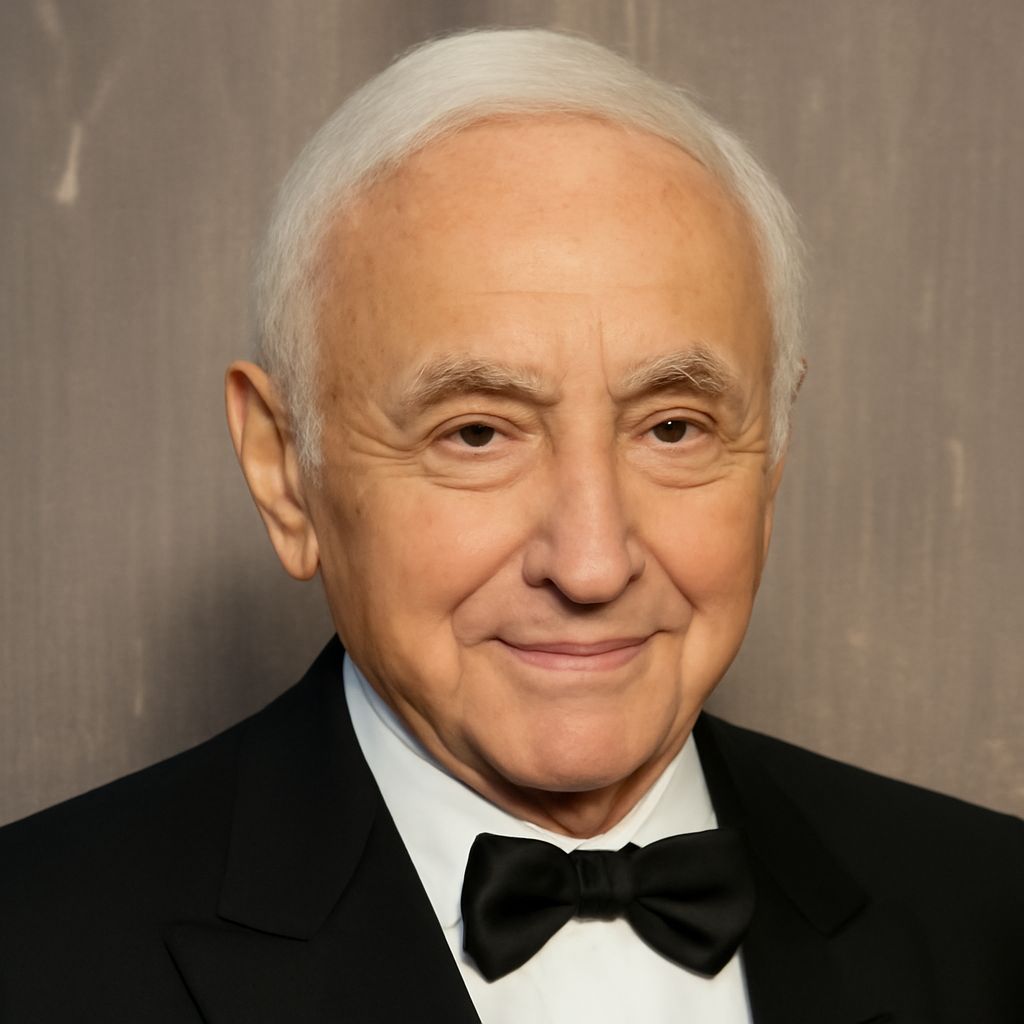
Les Wexner is one of the most influential figures in American retail history. Best known for building brands like Victoria’s Secret and transforming the mall shopping experience, his leadership shaped how you shop for clothing and lingerie today. Wexner’s story is marked by bold business moves, industry-defining strategies, and, more recently, controversy that changed his public image.
If you want to understand how modern retail evolved—or how a single entrepreneur could turn small investments into global empires—Wexner’s life and career offer powerful lessons and warnings.
Les Wexner’s Early Life and Career
Les Wexner was born in 1937 in Dayton, Ohio, to Russian-Jewish immigrant parents. His early years were shaped by working in his family’s small retail store, giving him firsthand experience with customers and inventory. He attended Ohio State University, graduating with a business degree in 1959. Fresh out of college, Wexner briefly considered law school before returning to retail, seeing more opportunity in business than behind a legal desk.
His first break came in 1963, when he borrowed $5,000 from his aunt to open The Limited, a small women’s clothing store in Columbus, Ohio. The business model was simple: focus on fast-moving, fashionable clothing for young women, rather than trying to serve everyone. This focus on a specific customer group was unusual at the time and quickly proved successful.
Wexner’s approach combined relentless attention to fashion trends with data-driven inventory decisions. He quickly opened more stores, moving The Limited from a single-shop startup to a public company within a decade. The lessons he learned as a young retailer—especially the importance of niche focus and market timing—became the backbone of his later empire.
Major Brands and Business Achievements
Wexner’s biggest impact came from building and acquiring brand names that would become household staples. The most famous is Victoria’s Secret, a small San Francisco lingerie boutique he bought in 1982 for just $1 million. Under his leadership, Victoria’s Secret became the largest lingerie retailer in the world, blending high-fashion marketing with affordable products and iconic runway shows.
But Victoria’s Secret isn’t the only brand you might recognize from Wexner’s portfolio. He also launched or acquired:
- Bath & Body Works: A leader in personal care and fragrance, known for seasonal scents and in-store experiences.
- Abercrombie & Fitch: A high-profile brand targeting teens and young adults, though later spun off as a separate company.
- Express: Fashion-forward apparel for young professionals.
- Henri Bendel and Lane Bryant: Boutique and specialty apparel brands once under his Limited Brands (later L Brands) umbrella.
Wexner built these brands by mastering mall retailing during its peak, adopting bold marketing, and investing in store environments that felt exclusive yet accessible. At its height, L Brands operated thousands of stores worldwide, generating billions in annual sales.
He is often credited with inventing the modern specialty retail model, where each brand has a tightly defined customer and distinct in-store experience. This approach let him outmaneuver larger, slower department store competitors throughout the 1980s and 1990s.
Controversies and Public Perception
In recent years, Les Wexner’s reputation has shifted due to several high-profile controversies. The most damaging involves his personal and business ties to Jeffrey Epstein, the convicted sex offender who served as Wexner’s money manager for many years. Investigations revealed that Epstein had broad access to Wexner’s finances, properties, and even decision-makers within the company, raising serious questions about oversight and judgment.
Public scrutiny intensified as victims of Epstein’s crimes described encounters that allegedly took place at properties owned by Wexner or his companies. While Wexner has denied any knowledge of Epstein’s criminal activity, the association has cast a shadow over his legacy and caused some consumers and former employees to reassess their views on his leadership and values.
Additionally, Victoria’s Secret faced criticism over its lack of diversity and outdated marketing, particularly the annual fashion show, which was seen as out of touch with changing attitudes about body image and inclusivity. Wexner stepped down as CEO and chairman of L Brands in 2020, as the company worked to overhaul its image and business practices.
Les Wexner’s Lasting Impact
Despite the controversies, Les Wexner’s influence on the retail industry is undeniable. He pioneered the concept of tightly focused specialty stores, revolutionizing how major brands reach specific audiences. His approach to branding, marketing, and store design set standards that are still followed by retailers today.
Under his leadership, brands like Victoria’s Secret and Bath & Body Works became cultural phenomena, shaping everything from fashion trends to shopping habits. Even as the retail landscape shifts toward online shopping, Wexner’s methods for building customer loyalty and brand identity remain relevant in both digital and physical spaces.
Les Wexner’s story is a blend of remarkable business success and cautionary lessons about oversight, ethics, and the responsibilities that come with power. Whether you admire his vision or question his choices, his impact on American retail will be felt for generations.