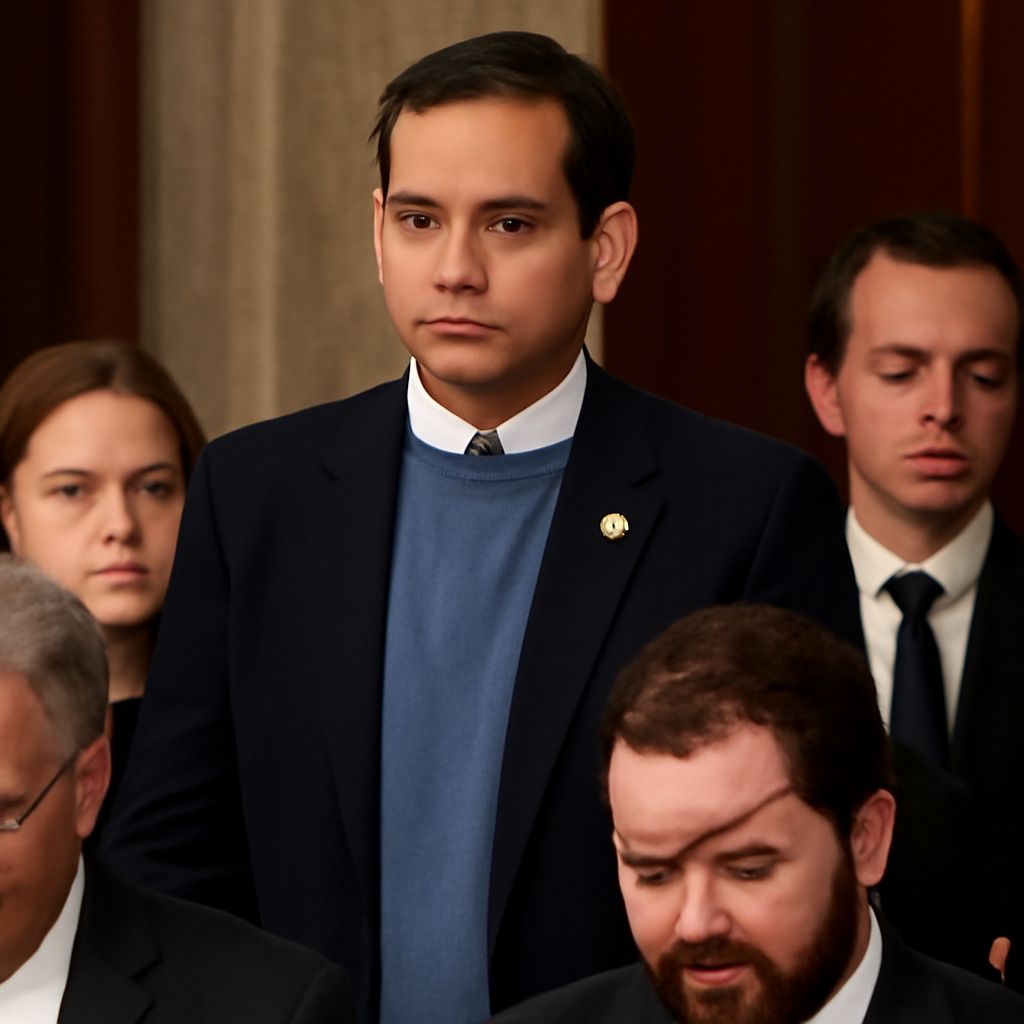
George Santos is a former U.S. Representative who first drew national attention after his election to Congress in 2022. If you want a concise look at who George Santos is, his background, career milestones, controversies, and the latest updates, this guide covers all the essential facts and news you need to know.
Background and Early Life
George Santos was born on July 22, 1988, in Queens, New York. He grew up in a working-class family with Brazilian roots and spent much of his early life in the New York City area. Santos has spoken about the challenges of his upbringing, highlighting both economic struggles and the influence of his immigrant family.
Educated in various local schools, Santos later claimed to have attended Baruch College and New York University. However, these claims became the subject of intense scrutiny, as neither institution confirmed his attendance. This gap between reported and verified educational background would eventually play a significant role in later controversies.
Before entering politics, he worked in several fields, including customer service, hospitality, and finance. Santos reported holding jobs at firms like Citigroup and Goldman Sachs, though these claims were also called into question during media and legal investigations. His story, from modest beginnings to the campaign trail, resonated with some voters in his district.
Political Career and Achievements
George Santos began his political career by running for Congress in 2020. He lost that first attempt but returned in 2022 to win election as the U.S. Representative for New York’s 3rd congressional district. His victory was significant in a district that had traditionally leaned Democratic, and it contributed to the Republican Party’s overall gains in that election cycle.
In Congress, Santos positioned himself as a supporter of lower taxes, small business growth, and strict immigration enforcement. He joined several caucuses and worked on legislation focused on economic development and public safety in New York. Santos made efforts to connect with both English and Portuguese-speaking constituents, emphasizing his background as a bridge between communities.
Despite his short tenure, Santos supported several high-profile bills and constituent projects. He advocated for disaster relief funding after storms hit his district and argued for increased federal support for local law enforcement. These actions built his reputation as an active, if sometimes polarizing, representative.
Controversies and Public Response
The name George Santos quickly became synonymous with controversy after news outlets uncovered discrepancies in his personal and professional history. Major reports flagged false claims about his education, work experience, and even details of his family history. For instance, Santos stated that his mother had died in the September 11 attacks, a claim later contradicted by public records and timelines he provided.
Other issues included questions about his finances and campaign funding, with federal investigators probing his asset disclosures and fundraising activities. Santos faced additional scrutiny over alleged fabrications related to his religious background, animal rescue work, and charitable contributions. These revelations led to national headlines and calls for accountability from both major parties.
Many constituents and colleagues demanded that Santos resign or face discipline in the House of Representatives. Ethics complaints were filed, and the media reported on his repeated refusals to step down despite mounting evidence. Social media campaigns and public demonstrations in his district highlighted the deep trust issues his case raised in American politics.
Recent Developments
By early 2024, George Santos became the subject of a formal House Ethics Committee investigation. In December 2023, he was expelled from Congress following a historic vote—the first time in modern U.S. history that a member had been removed for misconduct without a criminal conviction at the time of expulsion. The vote reflected bipartisan frustration over the scale of the alleged misrepresentations and ongoing legal probes.
Santos continues to face legal challenges, including federal indictments for wire fraud, money laundering, theft of public funds, and making false statements to Congress. Court proceedings are ongoing, and the outcomes could impact his future in public life. Although he no longer holds office, George Santos remains a prominent example of the impact of personal credibility and transparency in American politics.
Media coverage of Santos’s story has sparked wider debates over vetting political candidates and the effectiveness of Congress’s ethical oversight. If you follow U.S. politics or are interested in modern political scandals, George Santos’s case offers a revealing look into how public figures are held accountable in the digital age.